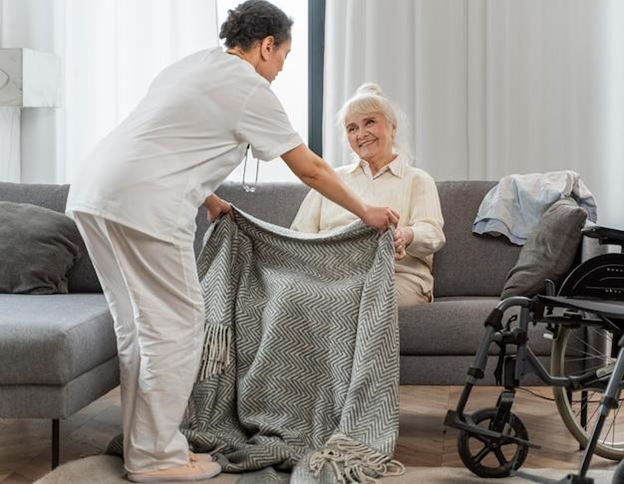
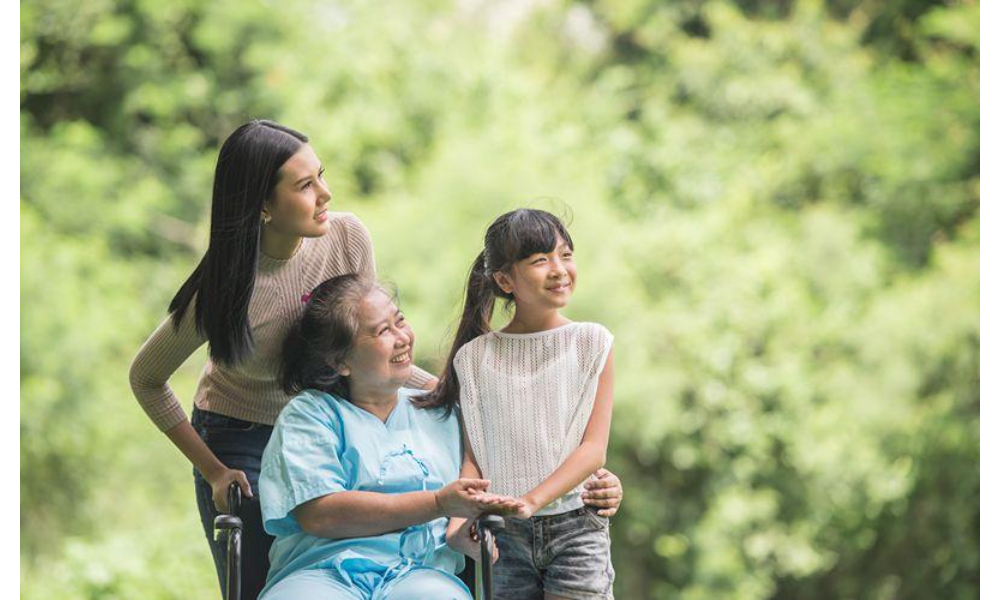
As Singapore’s population ages, conversations around care are shifting from immediate needs to long-term preparedness. Families, care professionals, and policymakers are asking similar questions: What will dementia care look like in the next decade? How will expectations around quality of life change? Experts observing current trends in dementia and elderly care in Singapore suggest that the future will be shaped less by dramatic breakthroughs and more by steady, thoughtful changes in how care is delivered.
Prediction 1: Dementia Care Will Become More Integrated
Instead of separating medical treatment, daily living support, and emotional care, experts foresee more integrated approaches. In dementia in Singapore, this means closer coordination between nursing care, rehabilitation, and social engagement.
Within elderly care in Singapore, integrated care models are already emerging, where teams communicate regularly to adjust care plans. Behaviour, mobility, and emotional well-being are closely linked, and care structures are expected to reflect this interconnected reality more clearly over time.
Prediction 2: Environments Will Play a Bigger Role in Care Outcomes
Specialists increasingly point to the physical environment as a factor in dementia care outcomes. Future-focused care settings in dementia in Singapore are expected to prioritise calm layouts, familiar cues, and safe wandering spaces.
In the broader elderly care in Singapore, this emphasis on the environment reflects lessons learned from daily practice. Simple design choices can support independence and dignity. Experts predict that families will place greater value on these details when evaluating care options.
Prediction 3: Care Will Focus More on Abilities Than Limitations
Rather than defining individuals by what they can no longer do, dementia care will increasingly focus on retained abilities. In dementia in Singapore, care plans are expected to incorporate familiar routines and meaningful activities that align with personal histories.
This approach influences elderly care in Singapore more broadly. Care professionals note that when seniors are encouraged to participate within their capabilities, engagement improves. Experts predict that ability-focused care will become a standard expectation rather than a specialised approach.
Prediction 4: Emotional Well-being Will Receive Equal Attention
Experts now predict a more balanced approach, where emotional well-being receives equal consideration. In dementia in Singapore, care teams increasingly observe that emotional distress can intensify behavioural symptoms.
Across elderly care in Singapore, this insight is influencing daily routines. Predictable schedules, respectful communication, and familiar social interactions are expected to become non-negotiable standards. Emotional comfort is foundational to effective care.
Prediction 5: Technology Will Support, Not Replace, Human Care
While technology continues to evolve, experts caution against viewing it as a replacement for human connection. In dementia in Singapore, tools such as monitoring systems or digital records are predicted to play supportive roles, improving coordination rather than reducing human interaction.
In elderly care in Singapore, technology is expected to assist caregivers by streamlining documentation and enhancing safety. However, experts consistently emphasise that trust, reassurance, and personal presence remain central to dementia care.
Prediction 6: Earlier Transitions Into Structured Care
Families often delay decisions until caregiving becomes overwhelming. In dementia in Singapore, specialists predict a gradual shift towards earlier planning, allowing individuals to adapt more smoothly.
Within elderly care in Singapore, this change could reduce crisis-driven admissions. Earlier transitions support better adjustment for seniors and families alike, offering time to build familiarity with routines and caregivers before needs become acute.
Prediction 7: Public Understanding of Dementia Will Improve Gradually
Experts remain realistic about public awareness. While understanding is improving, stigma and misconceptions persist. In dementia in Singapore, education campaigns and visible care models are predicted to slowly change perceptions, helping families seek support earlier.
This improved understanding will influence elderly care in Singapore. Families who recognise dementia as a condition requiring structured support, rather than personal failure, are more likely to plan proactively and engage with appropriate services.
Conclusion
Expert predictions suggest that the future of dementia care will be shaped by steady, meaningful shifts rather than sudden change. With dementia, care is expected to become more integrated, environment-focused, and emotionally aware. At the same time, elderly care in Singapore will continue to evolve and support families through education, early planning, and individualised approaches. These developments point towards a care landscape that values dignity, clarity, and human connection. Understanding where care is heading can make present decisions feel less uncertain and more grounded.
Get in touch with Orange Valley and start observing current practices with an eye on where they are heading today.