

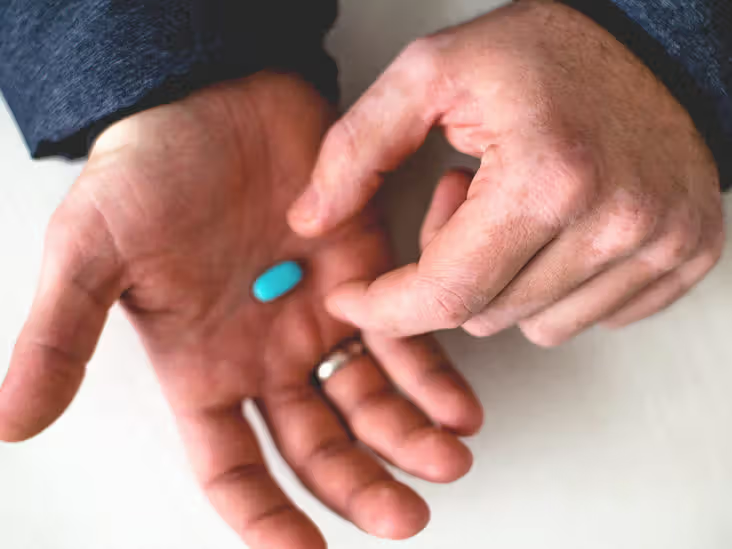
For many men, sildenafil provides reliable and effective support for erectile difficulties. However, some users eventually report that the medication feels less effective than before or stops working altogether. This situation can be frustrating and confusing, especially when sildenafil once delivered consistent results. Understanding why this happens is essential before assuming the medication has failed.
The good news is that sildenafil does not suddenly “lose power.” In most cases, reduced effectiveness is linked to identifiable and manageable factors.
Sildenafil Does Not Create Physical Tolerance
One of the most common myths is that the body becomes physically tolerant to sildenafil in the way it does with some other drugs. This is not true. Sildenafil does not cause chemical dependence, and the body does not require progressively higher doses to achieve the same effect purely due to adaptation.
When sildenafil appears to stop working, the reason is almost always external: changes in health, lifestyle, psychological state, or how the medication is being used.
The Most Common Reasons Sildenafil Loses Effectiveness
1. Worsening Vascular Health
Erections depend on blood flow. If cardiovascular health declines over time due to aging, poor diet, smoking, lack of exercise, or unmanaged conditions such as hypertension or diabetes, blood flow to the penis may worsen. Sildenafil can only enhance existing circulation — it cannot fully overcome severe arterial damage.
In such cases, men may notice that erections are weaker, shorter-lasting, or harder to achieve, sometimes described as Erezione Debole, even when taking medication.
2. Increased Stress and Performance Anxiety
Psychological factors can override sildenafil’s benefits. Chronic stress, work pressure, relationship tension, or fear of sexual failure can activate the body’s stress response, which directly suppresses erection mechanisms.
Sildenafil improves blood flow, but it cannot force an erection when the nervous system is locked in a “fight or flight” state.
3. Incorrect Timing or Usage
Many cases of reduced effectiveness are caused by simple usage errors:
- Taking sildenafil too close to sexual activity
- Taking it after a heavy or high-fat meal
- Consuming excessive alcohol
- Insufficient sexual stimulation
Over time, men may become less precise with timing, assuming the medication will work regardless of conditions.
4. Lifestyle Deterioration
Weight gain, reduced physical activity, poor sleep, and increased alcohol intake all negatively affect erectile function. Men sometimes increase dosage instead of addressing these changes, which leads to more side effects without better results.
Psychological Expectations Can Sabotage Results
Another overlooked factor is expectation. When sildenafil becomes routine, men may subconsciously expect it to “do all the work.” This can reduce arousal, attention, and engagement during intimacy. Sexual response is not mechanical — mental presence still matters.
In addition, a single disappointing experience can trigger anxiety during future attempts, creating a self-reinforcing cycle where fear reduces effectiveness further.
When Dosage Is the Issue
In some cases, the dose may genuinely be insufficient. This can happen if:
- Erectile dysfunction has progressed
- Metabolism has changed
- Other medications interfere with absorption
A doctor may evaluate whether a higher dose is appropriate. In selected cases, Sildenafil 100mg is prescribed when lower doses no longer provide adequate support. However, increasing dosage should always be done under medical supervision, as higher doses increase the likelihood of side effects.
Importantly, higher dosage will not fix psychological or lifestyle-related causes.
Medical Conditions That Reduce Responsiveness
Certain medical conditions reduce sildenafil effectiveness over time:
- Advanced diabetes with nerve damage
- Severe atherosclerosis
- Post-prostate surgery nerve injury
- Neurological disorders
In these cases, sildenafil may still offer partial benefit, but alternative treatments may be required.
Alternative Strategies When Sildenafil Is Less Effective
When sildenafil no longer delivers the desired results, several options can be explored:
1. Address Underlying Health
Improving cardiovascular fitness through exercise, dietary changes, weight loss, and smoking cessation often restores responsiveness to medication.
2. Optimize Lifestyle
Better sleep, stress management, reduced alcohol intake, and hydration can significantly enhance erectile response — sometimes more than increasing dosage.
3. Psychological Support
Sex therapy or counseling can help break cycles of performance anxiety and rebuild confidence. This is especially effective when erectile issues have a strong emotional component.
4. Try a Different PDE5 Inhibitor
Some men respond better to other medications in the same class due to differences in duration or absorption.
5. Combination Approaches
Medication combined with lifestyle changes and psychological support often produces better long-term results than any single intervention alone.
Avoid Common Mistakes
Men often make these mistakes when sildenafil seems less effective:
- Escalating dose without guidance
- Using medication to compensate for unhealthy habits
- Ignoring stress and mental health
- Assuming failure means permanent dysfunction
These approaches usually worsen the problem rather than solve it.
Reframing the Situation
When sildenafil stops working as expected, it should be viewed as feedback — not failure. It signals that something in the body or mind has changed and requires attention. Erectile function is closely tied to overall health, and changes in response often reflect broader shifts that deserve care.
When to See a Doctor
Medical evaluation is recommended if:
- Sildenafil stops working consistently
- Erectile function worsens suddenly
- Side effects increase
- Other health symptoms appear
A doctor can identify reversible causes, adjust treatment, and rule out serious conditions.
Final Thoughts
Sildenafil does not simply “stop working” without reason. Reduced effectiveness almost always has identifiable causes — vascular, psychological, lifestyle-related, or medical. Understanding these factors allows men to respond intelligently rather than react emotionally.
With the right adjustments, many men regain sildenafil’s effectiveness or find alternative strategies that restore confidence and sexual satisfaction. Erectile health is dynamic, not fixed — and with informed action, improvement remains possible at every stage.
