

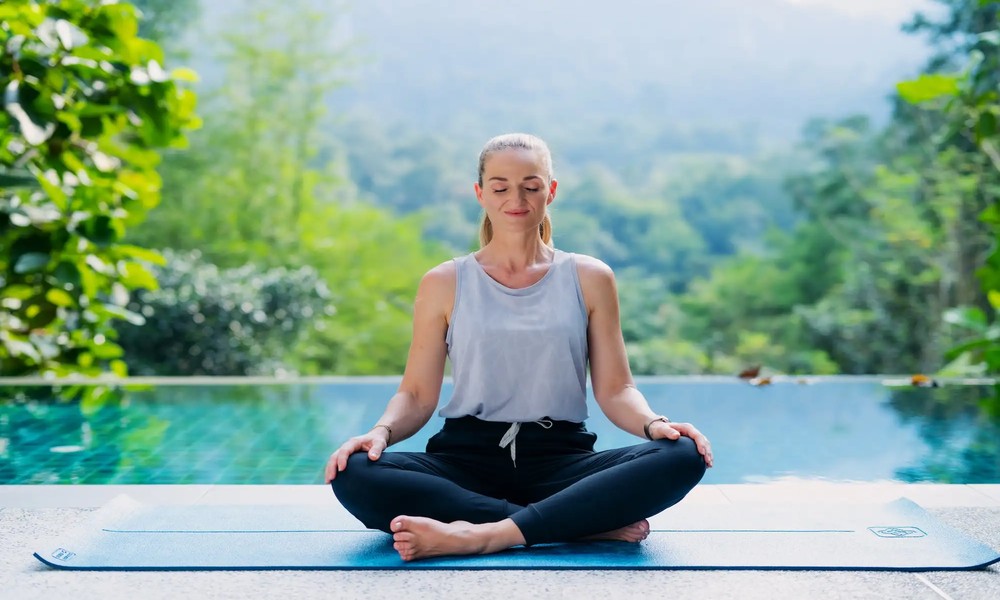
A well-written meditation blog often highlights something many people learn the hard way: calm and focus aren’t personality traits-they’re skills that can be trained. Meditation is one of the simplest ways to practice that skill. With consistent sessions, many people notice less mental noise during the day and an easier time unwinding at night. The key is choosing techniques that feel practical, not intimidating.
This guide covers beginner-friendly meditation practices that support calm focus and better sleep, along with a simple routine that fits into real life.
Why Meditation Helps Focus And Sleep
Focus improves when attention is trained to return to one anchor repeatedly, such as the breath or body sensations. Each time the mind wanders and returns, the “attention muscle” strengthens. Sleep improves because meditation can reduce stress arousal, slow down racing thoughts, and build a healthier transition from active mode to rest mode.
A helpful meditation blog typically explains that meditation is not about forcing the mind to be blank. It’s about noticing what the mind is doing and gently guiding attention back-without frustration.
Practice 1: Breath Awareness For Calm Focus
Breath awareness is one of the easiest methods to start with because it requires no tools.
How To Do It (5-10 Minutes):
- Sit comfortably with a relaxed spine.
- Breathe through the nose if possible.
- Notice the sensation of air at the nostrils or the rise and fall of the belly.
- When attention drifts, label it softly (“thinking”) and return to the breath.
This is a foundational technique many people revisit for years because it stays effective and simple. For guided structure and consistency, this meditation blog can serve as a reference for breathing-based routines and beginner cues.
Practice 2: Body Scan For Better Sleep
A body scan is especially useful at night because it brings attention out of the mind and into the body.
How To Do It (8-12 Minutes):
- Lie down comfortably.
- Bring attention to the toes, then slowly move upward through the body.
- At each area (feet, calves, knees, thighs, hips, belly, chest, shoulders, arms, neck, face), soften tension on the exhale.
- If the mind wanders, return to the last body area.
A body scan doesn’t force sleep, but it often makes the body feel more settled-creating better conditions for sleep to happen naturally.
Practice 3: Noting Technique For Racing Thoughts
When thoughts are loud, beginners often struggle with “just focus on the breath.” Noting helps by giving the mind a simple job.
How To Do It (5-8 Minutes):
- When a thought appears, label it: “planning,” “worrying,” “remembering,” or “judging.”
- Then return to the breath.
This reduces the emotional grip of thoughts, making it easier to step back from mental loops.
A Realistic Daily Plan That Works
Many people see results when they keep it simple:
- Morning (5-10 minutes): breath awareness for focus
- Night (8-12 minutes): body scan for sleep support
Consistency matters more than duration. A short daily session is more effective than a long session done occasionally.
The Takeaway
Meditation can be a practical tool for calm focus and better sleep when it’s approached as a trainable skill, not a perfection test. With simple techniques like breath awareness, body scans, and noting, a daily routine becomes easier to maintain-and the benefits show up in everyday life.
