

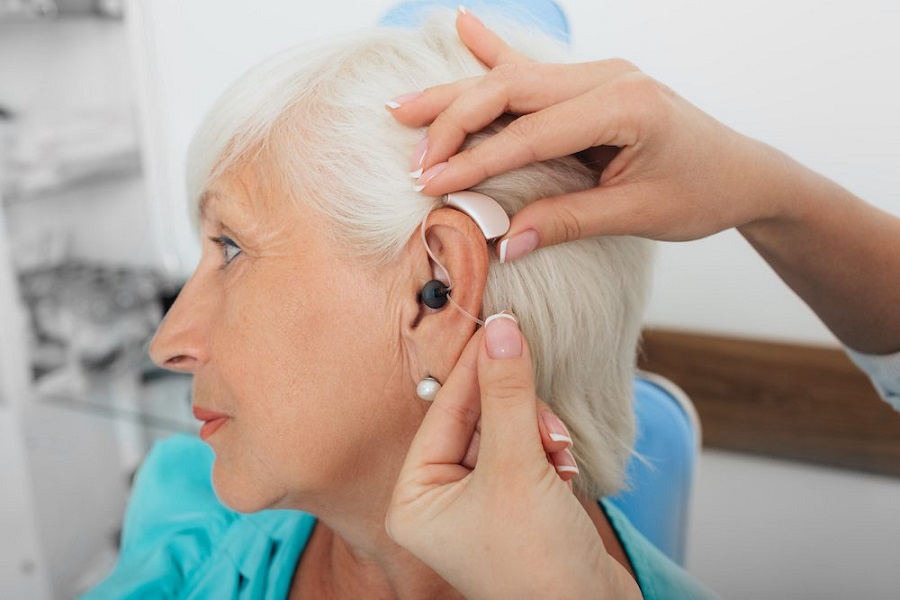
For many adults experiencing mild to moderate hearing loss, the barrier to improved hearing has historically been cost, stigma, or the complexity of professional fitting processes. Over-the-counter (OTC) hearing aids have shifted this landscape by offering an accessible path to better hearing without the need for an upfront medical appointment or prescription. These user-friendly devices are designed to help people regain clarity in everyday listening situations while making hearing support more affordable and approachable.
Over the counter hearing aids differ from traditional prescription models in how they are obtained and used. Instead of requiring an evaluation from an audiologist or hearing healthcare professional, these devices can be purchased directly by the consumer through retail stores or online. The shift toward this model was enabled by regulatory changes aimed at increasing accessibility and empowering individuals to take greater control of their hearing health. For many people who have experienced gradual hearing changes over years, this direct-to-consumer option feels less intimidating and more convenient.
One of the primary appeals of OTC hearing aids is cost. Traditional prescription devices can be expensive, not only because of the advanced technology they include but also due to professional services like fitting, fine-tuning, and follow-up care. OTC models are typically more affordable because they eliminate some of these service layers. For individuals who are budget-conscious or exploring hearing support for the first time, this lower entry point can make a meaningful difference.
Ease of use is another key factor. Many over-the-counter hearing aids are designed with simplicity in mind. Pre-programmed sound profiles, intuitive controls, and battery or rechargeable options allow users to start wearing them with minimal setup. Some devices include smartphone connectivity, enabling users to adjust volume or select sound settings through an app. This balance of basic functionality and user control appeals to people who want straightforward amplification without a complex fitting process.
Despite their convenience, OTC hearing aids are not ideal for everyone. They are intended for adults with perceived mild to moderate hearing loss. Situations involving severe hearing impairment, significant speech-in-noise difficulties, or complex auditory profiles still benefit from professional assessment and prescription devices. An audiologist not only measures hearing thresholds but also evaluates communication habits, listening challenges, and physical conditions that affect hearing aid performance.
It’s also important to recognise the limitations that come with the over-the-counter model. Without professional testing, users may self-diagnose their level of hearing loss, which could lead to inappropriate device selection. Some individuals may require custom fittings, earmoulds, or advanced features like directional microphones that OTC devices do not offer. Regular follow-up care and hearing evaluations remain valuable for monitoring changes over time.
That said, many users find OTC hearing aids significantly improve quality of life in everyday scenarios. Conversations in quiet environments, television listening at moderate volumes, and social interactions with friends can feel more natural with the added amplification. Because these devices are designed for easy self-management, they empower users to experiment with settings and find a comfortable fit for their lifestyle.
Safety and trustworthiness are essential when selecting any hearing device. Reputable manufacturers often offer trial periods, return policies, and customer support to help users get tailored value from their purchase. Reading product reviews, understanding warranty terms, and comparing features can help prospective buyers make informed decisions.
Ultimately, over-the-counter hearing aids represent an important evolution in hearing health accessibility. They provide an opportunity for early intervention and everyday communication support for millions of adults who might otherwise remain undiagnosed or underserved. While they do not replace the need for professional care in all cases, they expand the range of options available – giving people the chance to reconnect with sound, confidence, and conversation on terms that suit their needs.
