

Choosing between Invisalign and traditional braces as an adult can feel a little overwhelming. It is not just about straight teeth; you are thinking about comfort, appearance, daily routine, and work life, too. Both options work well, but they function differently, which makes the decision a bit confusing.
If you visit an experienced orthodontist Alpharetta, especially at a place like Newpark Orthodontics, you will quickly realize there is not a one-answer-fits-all situation. Some adults walk in asking specifically for Invisalign because it is nearly invisible. Others are advised to go with braces for better control. It really depends on your teeth, and, to be fair, your habits too. Not everyone wants the responsibility that comes with removable aligners.
Appearance: What You See Matters
For most people, this is the very first thing they think about.
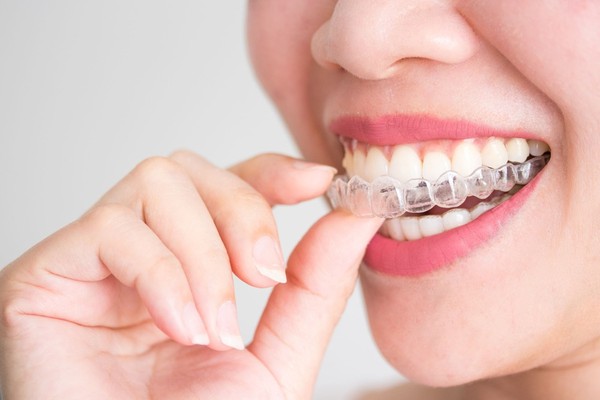
- Invisalign uses clear aligners that are barely noticeable
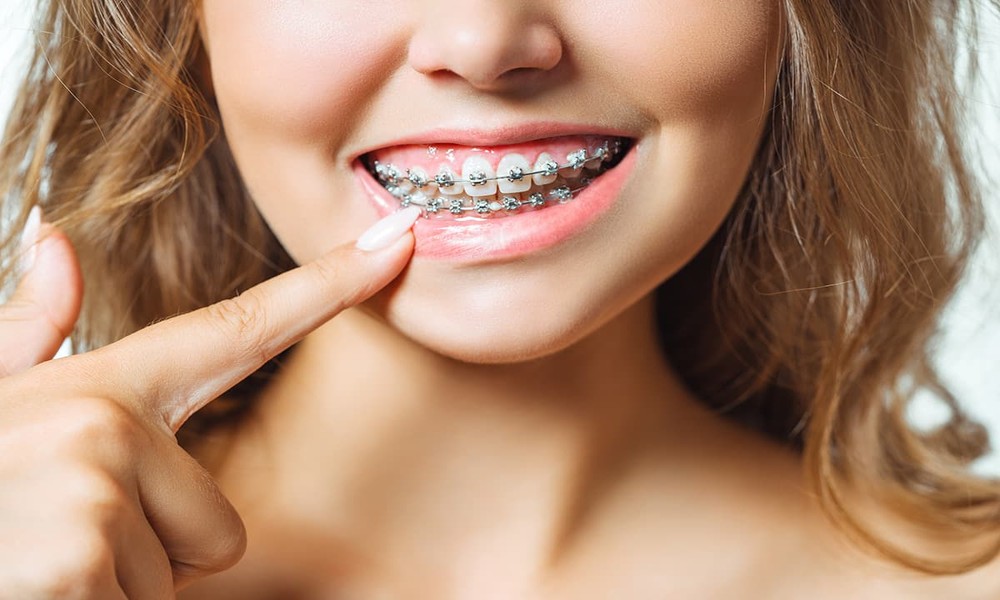
- Braces are noticeable because of the metal brackets and connecting wires
For professionals or anyone a little self-conscious, Invisalign feels more comfortable socially. You can smile without thinking twice. Braces are definitely more visible, but many adults adjust to them more quickly than they expect. After a while, it does not feel like such a big deal anymore.
Comfort and Everyday Routine
Now this part can be a bit subjective.
- Invisalign aligners are smooth and removable
- Braces may cause slight irritation, especially after tightening
Aligners don’t have sharp edges, so they are easier on the cheeks and lips. You can also remove them while eating, which is a huge plus. But here is the catch: you must wear them 20-22 hours daily. Miss that, and progress slows.
Braces? They stay on. No decisions needed. A bit uncomfortable at times, yes, but they don’t rely on your memory or discipline.
Effectiveness: Not All Cases Are Equal
Some dental issues are simple. Others not really.
- Invisalign works well for mild to moderate corrections
- Braces are better for complex cases like severe crowding or bite issues
Braces give orthodontists more control over tooth movement. So, if your case is complicated, they are often the safer bet. Invisalign works beautifully, but within its limits.
Treatment Duration
People often assume Invisalign is always faster. Not exactly.
- Invisalign: typically, 12-18 months
- Braces: around 18-24 months
Sounds like Invisalign wins, right? That is only true if you consistently wear the aligners as recommended. Skip hours, forget trays, and suddenly the timeline stretches. Braces may take longer in some cases, but they are consistent. No shortcuts, no slipping up.
Cost and Practical Considerations
Let us not ignore the financial side.
- Invisalign usually costs more
- Braces are often more budget-friendly
The difference can vary, depending on the complexity of your treatment. Some people are happy to pay extra for comfort and aesthetics. Others prefer a more economical option that still delivers solid results.
Final Thoughts
So, which one should you choose? Honestly, it depends on your lifestyle. If you prefer something subtle and can stay disciplined, Invisalign works well. If you want a low-maintenance option that keeps working on its own, braces may be the simpler, more reliable choice in the long run.
