

Key Takeaways
Plasma donation plays an important role in modern healthcare because plasma contains proteins and antibodies used to create therapies for patients with certain medical conditions.
For residents considering plasma donation san diego, donating can be a meaningful way to support patients who depend on plasma-derived treatments.
The donation process generally includes registration, health screening, plasma collection, and post-donation care. First-time donors can make the experience easier by understanding each step beforehand.
Proper preparation, including staying hydrated and eating an appropriate meal, can help donors feel more comfortable before their appointment.
Safety is a central part of plasma collection. Donation centers use sterile equipment and trained staff to monitor donors throughout the process.
After donating, proper hydration, rest, and following the center’s aftercare instructions can support a smooth recovery.
Beyond helping patients, plasma donation can create a stronger culture of community giving by encouraging eligible residents to contribute to an important healthcare resource.
Why Plasma Donation Is a Lifesaving Contribution to Your Community
The Critical Role of Plasma in Modern Medicine
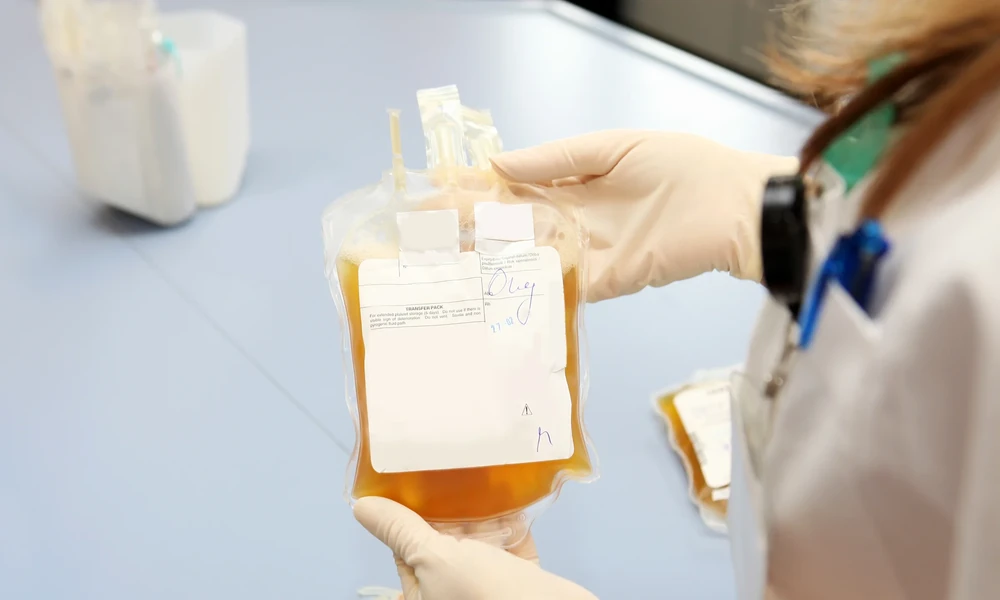
Plasma is the liquid component of blood and contains proteins, antibodies, electrolytes, and other substances that perform important functions in the body. Donated plasma can also be processed into therapies used to treat patients with certain immune deficiencies, bleeding disorders, and other serious medical conditions.
Patients who depend on plasma-derived therapies require a reliable supply of donated plasma. This makes eligible donors an important part of the healthcare system.
Plasma can contribute to medical treatments involving:
- Immune deficiencies and certain immune-related conditions.
- Bleeding and clotting disorders.
- Recovery from serious injuries and medical procedures.
- Specialized plasma-derived medications.
The importance of plasma donation goes beyond the individual donor. Every successful donation contributes to a larger supply that can eventually support patients receiving necessary medical care.
How Plasma Donation Supports the San Diego Community
In San Diego, eligible residents can contribute to healthcare efforts by donating plasma at qualified donation centers. Local participation helps maintain supplies that are needed for the production of plasma-derived therapies.
Community donation also raises awareness about the continuing need for plasma. When people share their experiences and encourage others to learn about donation, they can help build a stronger culture of giving.
For individuals interested in becoming donors, checking the current requirements of a local donation center is an important first step.
What to Expect During Your First Plasma Donation
Step-by-Step Overview of the Donation Process
First-time donors may feel uncertain about what will happen during an appointment. Understanding the basic process can make the experience more manageable.
- Registration and Screening: Donors complete the necessary paperwork and provide information about their health history.
- Health Check: Staff perform required checks to determine whether the individual is eligible to donate.
- Plasma Collection: Blood is drawn and processed through a plasmapheresis system that separates plasma from other blood components before returning the remaining components to the donor.
- Post-Donation Care: Donors rest after collection and follow the center’s instructions for hydration and recovery.
The length of an appointment can vary depending on whether someone is a first-time donor, the screening process, and how busy the center is.
Common Questions About Plasma Donation
Potential donors often have concerns about frequency, comfort, and eligibility. These questions are normal and can usually be addressed during the screening process.
- How often can I donate? The permitted frequency depends on applicable regulations and the policies of the donation center.
- Is it painful? Donors may experience temporary discomfort from the needle, similar to other blood collection procedures.
- What if I’m nervous? Donors can tell staff about their concerns so they can receive appropriate guidance throughout the appointment.
Knowing what to expect can help potential donors approach their first appointment with greater confidence.
Maximizing Your Experience: Tips for Successful Plasma Donation
Best Practices for Preparing to Donate Plasma
Preparation can contribute to a more comfortable donation experience. Donors should always follow the specific instructions provided by their chosen donation center.
Helpful preparation practices include:
- Stay Hydrated: Drinking enough fluids before the appointment can support the donation process.
- Eat a Balanced Meal: A nutritious meal can provide energy before donating.
- Get Enough Rest: Arriving well-rested can make the appointment more comfortable.
- Bring Required Identification: Having the necessary documents available can simplify registration.
- Wear Comfortable Clothing: Choose clothing that allows convenient access to the arm used during collection.
Donors should also disclose relevant health information during screening so staff can properly determine eligibility.
Post-Donation Care: Ensuring a Smooth Recovery
Taking care of yourself after plasma donation is just as important as preparing beforehand.
Consider these basic aftercare practices:
- Rest and Relax: Take some time to recover after the appointment.
- Maintain Hydration: Continue drinking fluids after donating.
- Follow Center Instructions: Follow the specific recommendations provided by the donation staff.
- Monitor How You Feel: Report unusual or concerning symptoms to the donation center or a healthcare professional as appropriate.
Most people can return to their normal routine after donation, but individual experiences can vary.
Real Stories: The Impact of Plasma Donation in San Diego
Hear from Donors: Inspiring Experiences
For many donors, the most meaningful part of the experience is knowing that their contribution can support patients who depend on plasma-derived therapies.
Some donors describe feeling a strong sense of purpose from participating in their local donation community. Others appreciate the opportunity to make giving back part of their regular routine.
These experiences demonstrate that plasma donation can be more than a medical procedure. It can become an opportunity to contribute to the broader San Diego community.
How Plasma Donations Can Help Patients
Patients who receive plasma-derived therapies may depend on these products as part of their treatment for serious or chronic medical conditions.
Although donors may never meet the people who ultimately benefit from their donations, their contributions become part of a larger healthcare supply chain. Plasma is collected, tested, processed, and used to create products that support patients with specific medical needs.
This connection between donors and patients highlights why maintaining an adequate plasma supply remains important.
FAQ
What are the eligibility requirements to donate plasma?
Eligibility requirements vary by donation center and may include age, weight, health history, identification, and screening results. Potential donors should check the current requirements directly with the center they plan to visit.
Can someone with a medical condition donate plasma?
It depends on the specific medical condition, treatment, and applicable eligibility requirements. Donors should provide complete and accurate health information during screening so trained staff can determine whether donation is appropriate.
How does plasma donation differ from blood donation?
Whole blood donation collects blood containing red blood cells, white blood cells, platelets, and plasma. Plasma donation uses plasmapheresis to separate plasma while returning other blood components to the donor.
What is the typical compensation for plasma donation in San Diego?
Some commercial plasma donation centers compensate eligible donors. The amount and payment structure can vary by center, promotional offers, and donor status, so potential donors should confirm current details directly with the facility.
Can potential donors donate if they’ve recently been vaccinated?
Eligibility following vaccination depends on factors such as the type of vaccine and the donation center’s current policies. Potential donors should contact the center to determine whether a waiting period applies.
How long does it take to recover from a plasma donation?
Recovery varies between individuals. Some donors may feel normal shortly after the appointment, while others may experience temporary tiredness. Staying hydrated, resting, and following aftercare instructions can support recovery.
What happens to the plasma after it’s donated?
Collected plasma undergoes testing and processing before it can be used for medical purposes. Plasma-derived components may eventually become part of therapies for patients with specific medical conditions.
Is there an age limit for plasma donation?
Donation centers establish their own eligibility requirements within applicable regulations. Potential donors should check the current age, health, and other requirements with their local plasma donation center.
Useful Resources
- American Red Cross – Offers information on blood and plasma donation, safety guidelines, and the significance of donations.
- Plasma Resources – Delivers thorough resources and information about plasma donation and its benefits.
- CBS – Center for Blood Safety – Provides educational material on blood donation, the donation process, and safety protocols.
- Blood Banker’s Guide – Includes detailed information on blood and plasma donation centers, as well as community events and opportunities to give.
- AABB (formerly known as the American Association of Blood Banks) – Offers guidelines and educational resources regarding blood and plasma donation practices and procedures.
- Plasma Donation Information – A dedicated platform providing insights into the plasma donation process, eligibility, and impact.
- United Blood Services – Supplies extensive information and resources about blood and plasma donation and its contributions to local communities.
- Healthline – Features health-related articles, including insights into the health benefits of plasma donation and its impacts on communities.
