

Introduction
It’s easy to underestimate just how vulnerable an eye is in the days and weeks right after surgery. The tissue is actively healing, and something as small as an accidental rub or a bit of pressure while sleeping can undo results that took real time and skill to achieve. Understanding why protection matters so much during this window makes it a lot easier to stick with the guidelines a surgeon lays out.
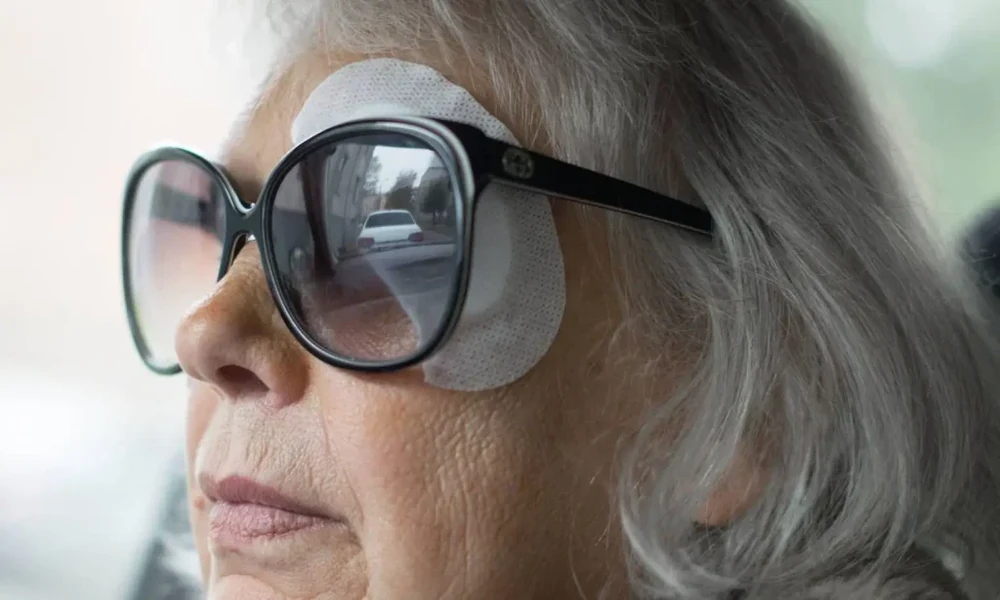
Protecting the eyes during the early healing period is an important part of following post-operative care instructions. Using an eye shield after surgery can help prevent accidental rubbing, pressure, or contact with bedding while sleeping, particularly when patients are not fully aware of their movements. Depending on the procedure, a surgeon may recommend additional protective measures during daily activities, making it important to follow the specific guidance provided throughout recovery.
Healing Tissue Is Genuinely Fragile
Right after a procedure like cataract surgery or LASIK, the eye is still settling, whether that means a healing incision, a repositioned lens, or a corneal flap that hasn’t fully reattached. Even light contact during this period can disturb that healing process in ways that aren’t always immediately obvious but can affect the final outcome.
Unconscious Movements Pose a Real Risk
A lot of accidental trauma to a healing eye doesn’t happen during waking hours, it happens overnight. People naturally rub their eyes or shift position while sleeping without any awareness of it, which is exactly why eye shields are typically recommended for nighttime wear during the first week or so of recovery, when a patient has no control over those unconscious movements.
Protection Reduces Infection Risk Too
Beyond preventing physical trauma, keeping the eye shielded from dust, debris, and unwashed hands lowers the chances of introducing bacteria into a surgical site that hasn’t fully closed or healed yet. Infection during this vulnerable window can be far more serious than the original procedure, which is part of why surgeons take protection guidelines so seriously.
Skipping Protection Can Undo the Surgery’s Results
In the most serious cases, trauma to a healing eye can actually reverse the benefits of the surgery itself, whether that means a dislodged lens after cataract surgery or a shifted corneal flap after LASIK. What might feel like a minor bump or rub can, in rare cases, mean redoing part of the procedure, which makes consistent protection well worth the temporary inconvenience.
Protection Guidelines Reflect Real Clinical Experience
The specific instructions surgeons give, like how long to wear a shield or when it’s safe to resume certain activities, aren’t arbitrary. They’re based on how healing typically progresses at each stage after a given procedure, drawn from years of clinical observation. Trusting that guidance, even when a particular restriction feels overly cautious, is usually the safer bet.
Conclusion
Eye protection after surgery isn’t just a precaution added out of caution, it directly addresses real, documented risks tied to how healing eyes actually respond to contact and pressure. Taking shields, protective glasses, and general care seriously during recovery is a small trade-off for protecting an outcome that took real time and expertise to achieve. Following a surgeon’s specific protection guidelines closely is one of the simplest ways to make sure a successful surgery stays that way.
