There is something quietly transformative about the journey from misaligned teeth to a balanced, confident smile. For many, the thought of braces conjures images of metal wires and awkward adolescence, but the reality is far more nuanced. Beyond simply straightening teeth, modern orthodontics unlocks both visual harmony and functional health.
The Transformative Journey: What Happens Before and After Braces
Each smile begins with a unique story, and the starting point is rarely perfect. Common orthodontic issues include crowded teeth, gaps, overbites, underbites, and crossbites. These challenges can lead to oral health difficulties as well as self-consciousness. Before braces, patients may struggle with chewing, speech, and even routine brushing.
The desired outcome is more than just straight teeth. Orthodontists aim to create a balanced smile: teeth that align flawlessly with facial features, jaws that function smoothly, and dental arches that distribute pressure evenly. The end result? Not just aesthetics, but a mouth that works in perfect harmony.
Exploring Braces Options: Materials, Mechanics, and Aesthetics
Braces are no longer a one-size-fits-all solution. Today, patients choose treatments that fit their lifestyle, aesthetic preferences, and comfort needs.
Traditional Metal Braces: Durability and Customization
Metal braces remain the gold standard for durability and effectiveness. Their stainless steel brackets and archwires are smaller, sleeker, and more comfortable than decades ago. Customizable colored elastics allow wearers to express personality, turning the process into a statement rather than a setback.
Self-Ligating Braces: Efficiency and Comfort Innovations
Self-ligating braces function like traditional ones but replace elastics with a special clip. This reduces friction and means fewer orthodontic adjustments, which translates to fewer office visits and less pressure on the teeth. They are available in both metal and ceramic options, blending efficiency with comfort.
Ceramic Braces: Cosmetic Appeal Versus Care Challenges
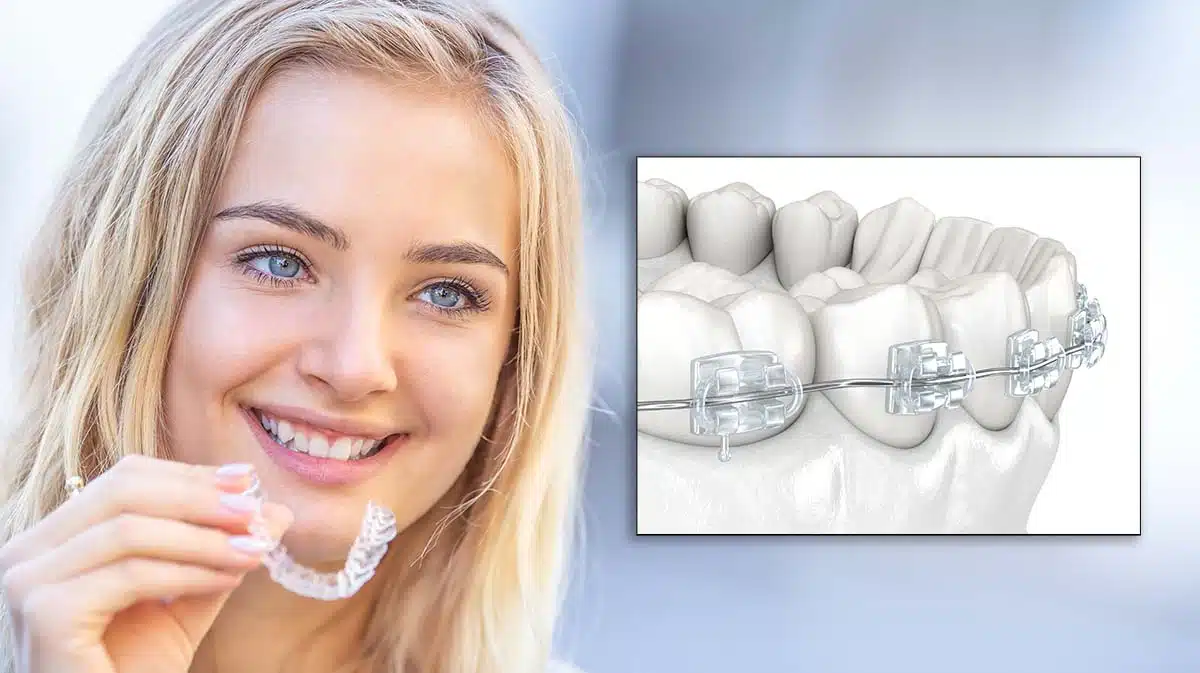
For those who want their treatment to be less noticeable, ceramic braces offer clear brackets that blend with natural teeth. While visually appealing, they are more delicate and require diligent cleaning, especially since staining is a risk if oral hygiene slips.
Clear Aligners: Discreet Convenience and Lifestyle Freedom
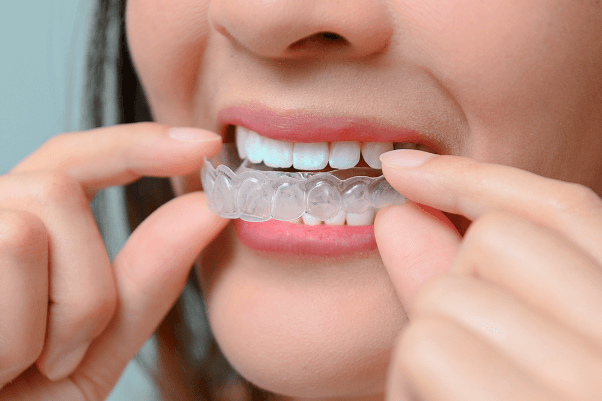
Clear aligners, such as Invisalign, have transformed orthodontics for adults and teens alike. These removable acrylic trays are nearly invisible and allow for unrestricted eating and easy cleaning. However, their effectiveness depends on consistent wear, which requires commitment.
Comparing Treatment Experiences: Day-to-Day Realities
No matter which braces you choose, adjustment is part of the journey. Metal and ceramic braces may cause initial soreness as teeth begin to move. Self-ligating braces typically offer a gentler experience due to reduced friction. Clear aligners are comfortable but can be misplaced if patients are not careful.
Oral hygiene becomes a focused routine. Brushing and flossing around wires and brackets can be tricky, especially with ceramic options. Aligners simplify cleaning since they can be removed, but the teeth must be cleaned before reinsertion to prevent staining and decay.
Dietary adjustments are sometimes necessary. Sticky and hard foods are best avoided with traditional and ceramic braces. Aligners allow for normal eating habits, but drinking sugary or acidic drinks while wearing them is discouraged.
Timeline and Treatment Progress: From Installation to Removal
The typical braces journey lasts 18 to 24 months, although minor corrections may take less time. Metal and self-ligating braces might require monthly checkups, while aligners necessitate new trays every few weeks. Progress can sometimes be seen within months, but the most dramatic changes become evident as treatment nears completion.
Unexpected emergencies can arise. Broken brackets, bent wires, or lost aligner trays are all possible. Orthodontists provide guidance on temporary fixes and schedule prompt repairs to keep your journey on track.
Post-Braces Care: Retention and Lasting Results
Treatment does not end when braces come off. Retainers are essential for maintaining alignment, especially in the first year after treatment. Skipping retainer use risks relapse as teeth can shift back toward their original positions.
Long-term oral health depends on regular dental checkups, diligent cleaning, and monitoring for changes. The reward? A smile that stays balanced and healthy for years.
The Psychological and Social Impact of Orthodontic Treatment
The change goes beyond teeth. Many patients experience significant confidence boosts as their smiles improve. Social anxiety often fades, replaced by pride in their appearance. Navigating school, work, and social settings with braces can be challenging, but the shared experience often builds resilience.
Patient stories echo this evolution: before photos capture uncertainty, while after photos reveal newfound self-assurance.
Choosing the Right Treatment: Factors to Consider
Selecting the best orthodontic approach involves weighing age, lifestyle, and personal goals. Adults may prefer discreet aligners or ceramic braces, while children often do best with metal options for durability. Cost and insurance coverage also influence decisions, as does access to qualified orthodontists.
For a tailored approach and comprehensive support, experts at Clinique Savaris Montreal braces can guide you through the process with individualized care.
Final Thoughts: The Subtle Art of a Balanced Smile
Embracing braces is about much more than appearances. It is a commitment to well-being, function, and self-worth. The subtle art of a balanced smile unfolds over months, yet its benefits echo throughout a lifetime, proof that the best transformations are often the ones that happen slowly, quietly, and with enduring grace.