
Key Takeaways
- Assessing whether LASIK is appropriate for your eyes and lifestyle is the first step toward clearer vision.
- Proper screening and open conversations shape safer, more predictable outcomes.
- Recovery planning is as important as the treatment itself.
- Ongoing eye care supports stable visual results over time.
Introduction
Living with glasses or contact lenses can quietly shape how you move through each day. From morning routines to spontaneous outings, vision correction becomes a constant companion. For many people, the idea of permanent correction feels appealing, yet uncertainty can stall the decision. LASIK in Singapore has become a practical option for those seeking freedom from visual aids. Let’s explore a simple, easy-to-follow plan that helps you move towards clearer sight with greater confidence.
Start With Clarity About Your Eyes, Not the Procedure
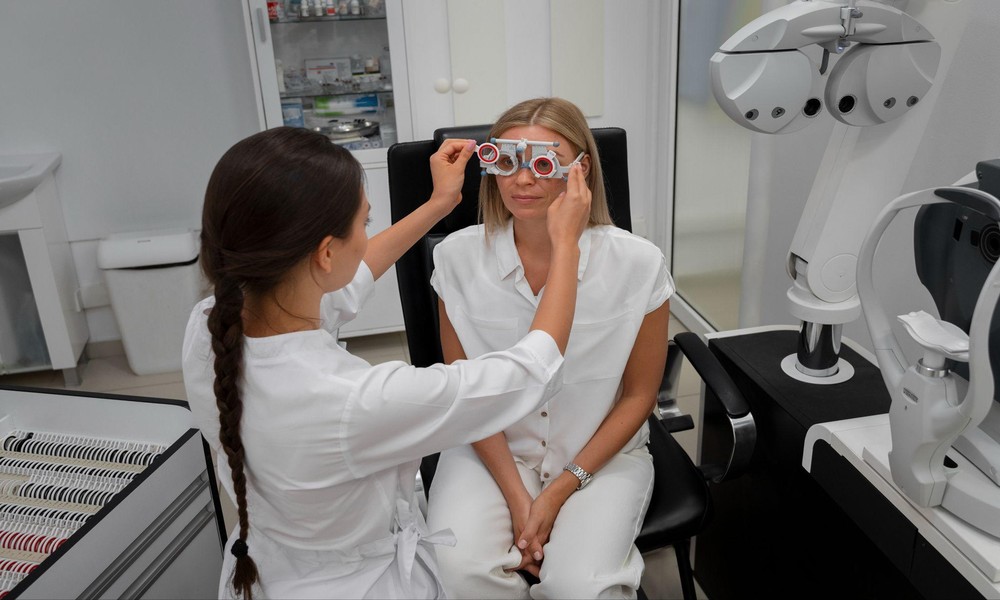
The first step is not booking surgery. It is learning how your eyes function and what limitations exist. Vision changes over time, and factors such as corneal thickness, prescription stability, pupil size, and general eye health shape suitability. Without this understanding, expectations may drift away from reality.
A proper consultation includes measurements and photographs to establish a profile of your eyes. These findings inform conversations about potential outcomes, hazards, and alternative therapies, if necessary. This stage turns abstract curiosity about LASIK into grounded information.
Instead of focusing on marketing promises, shift attention to personalised data. Ask how your prescription history influences eligibility. Instead of presuming flawless eyesight, ask what range of visual clarity is practical. This mindset reduces guesswork and replaces it with informed direction.
Clarity at this stage prevents disappointment later. It also prepares you mentally for the journey, from preparation to healing.
Choose an Eye Specialist Clinic That Values Conversation
Surgery involves technology, yet trust is built through people. When choosing an eye specialist clinic in Singapore, consider both communication and equipment. The consultation experience reveals a lot about how care is delivered.
Notice whether explanations feel rushed or thorough. A clinic that takes time to walk through test results, explain risks, and answer detailed questions builds confidence naturally. You should leave understanding what will happen, why it happens, and how recovery typically unfolds.
Transparency matters. Ask about potential side effects, retreatment rates, and follow-up schedules. Ask who performs the procedure and how many similar cases they handle regularly. These conversations transform a clinic visit into a collaborative planning session rather than a sales interaction.
When patients feel heard, they engage more actively in their care. That engagement plays a quiet yet meaningful role in smoother recovery and satisfaction with outcomes.
Prepare Your Lifestyle Before the Procedure
Many people underestimate how daily habits affect surgical readiness. Small changes before LASIK can promote safer healing and more consistent results.
Contact lens wearers may need to take a break from wearing lenses to allow their corneas to recover to their normal shape. Eye makeup, lash extensions, and intense skincare around the eyes may need to be stopped near the operation date. These methods reduce the potential of contamination while improving measurement accuracy.
Work and personal schedules require care as well. While many return to routine quickly, planning light duties and screen breaks during early recovery helps reduce strain. Stocking up on prescribed eye drops and setting reminders ensures consistent aftercare.
Preparation extends beyond physical steps. Mental readiness matters too. Remembering that vision may vary briefly alleviates unnecessary concern. Knowing what sensations are normal during healing provides reassurance.
Simple planning creates breathing room, which allows you to focus on recovery rather than logistics.
Commit to Follow-Up and Ongoing Eye Care
The procedure itself is only part of the journey. Follow-up visits monitor healing, detect dryness or inflammation early, and confirm visual stability. Skipping appointments may allow small issues to grow unnoticed.
An eye specialist clinic in Singapore often arranges many post-procedure examinations. These visits give you opportunities to discuss visual changes, comfort levels, and daily activities. They also allow adjustments to medication if required.
Ongoing eye care remains relevant even after recovery feels complete. Regular eye examinations help track overall ocular health, especially as age-related changes appear. Protecting your eyes from excessive screen exposure, harsh sunlight, and dehydration supports comfort and clarity.
Viewing LASIK as the beginning of a care relationship rather than a one-time event reframes expectations. This perspective encourages responsible habits that sustain visual quality.
Conclusion
Saying goodbye to blurry vision is rarely about a single decision. It grows from understanding your eyes, choosing an eye specialist clinic in Singapore that values dialogue, preparing thoughtfully, and staying engaged after treatment. LASIK fits into this process as a practical tool, supported by careful planning and realistic expectations. When these pieces align, clearer vision becomes a natural outcome rather than a leap of faith.
Contact Nova Eye Centre to schedule a comprehensive consultation and explore your options for LASIK with guidance you can trust.