For those living with eczema, food can feel like both a comfort and a curse. A simple snack or spicy meal might lead to days of itching, redness, and discomfort. While Western medicine often focuses on topical treatments or allergy testing, Traditional Chinese Medicine (TCM) treats food as both a potential irritant and a form of healing. In Singapore’s humid climate, understanding the connection between diet and skin health becomes essential. Increasingly, patients are realising that managing eczema is about making mindful choices at the dining table.
How Does TCM View Eczema
Traditional Chinese Medicine views eczema as a visible symptom of internal disharmony, typically involving an excess of heat, dampness, or wind within the body. These imbalances manifest externally through inflammation, redness, oozing, or dryness.
In TCM, food plays a pivotal role in either aggravating or alleviating these imbalances. Certain ingredients are believed to create excess internal heat or moisture, worsening eczema. Others help cool, detoxify, and rebalance the body. An effective TCM eczema diet is about choosing meals that align with the body’s needs instead of disrupting them.
Foods That Commonly Trigger Eczema Flare-Ups
Dietary triggers vary for each person, but TCM recognises consistent patterns that tend to worsen eczema. Spicy and fried dishes intensify inflammation and dryness. Such meals can strain digestion and fuel internal heat, leading to flare-ups.
Dairy products are another frequent issue. These create internal stagnation and sluggish energy. This dampness can rise to the skin’s surface, appearing as irritation, oozing, or recurring rashes.
Shellfish and processed meats add to the challenge. Prawns, crabs, sausages, and preserved meats contain compounds that are considered toxic or heat-inducing in TCM. They can disrupt the liver’s natural detoxification process, making the body more prone to inflammation.
Sugar and refined carbohydrates, though comforting, are also inflammatory in nature. Overindulging in sweets or bubble tea contributes to dampness and “heat accumulation,” which may amplify eczema’s itching and redness.
Alcohol and caffeine fall into a similar category. Both overstimulate the system and create heat while drying out the skin, disturbing the delicate yin-yang balance that keeps the body cool and hydrated.
Understanding these common foods that trigger eczema empowers individuals to make better dietary choices. Consulting a TCM physician can further personalise these adjustments, ensuring that one’s diet complements their unique body constitution.
What Makes a TCM Eczema Diet Successful
Healing from within requires patience; the skin reflects internal well-being, and improvement happens gradually. Remaining consistent with dietary changes, reading ingredient labels carefully, and moderating indulgences all help maintain progress over time.
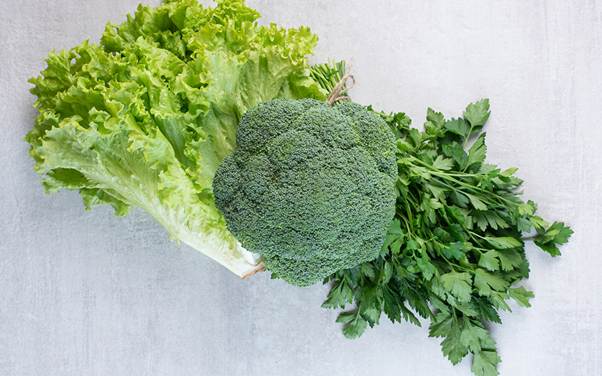
TCM also emphasises balance between yin and yang through diet. Cooling foods like watercress, cucumber, bitter gourd, and mung beans can soothe internal heat and reduce inflammation. Whole grains and lean proteins help restore the body’s natural energy (qi). This equilibrium prevents the cycle of inflammation and flare-ups from returning.
Digestive health is another major success factor. In TCM, the spleen and stomach are central to nutrient absorption and dampness regulation. When digestion is weak, toxins accumulate, often worsening eczema. Gentle, easy-to-digest meals support the digestive system, enabling it to efficiently process nutrients.
Most importantly, a TCM eczema diet must be customised to the individual. No two cases of eczema are exactly the same. This flexibility is what makes TCM so effective; it focuses on the person, not just the problem.
Success Stories and the Role of Balance
Many Singaporeans who follow TCM-inspired dietary adjustments find that small, consistent changes produce the most lasting results. Swapping fried meals for steamed alternatives, cutting down on sugar, and drinking herbal teas instead of coffee often yield noticeable improvements within a few weeks. Anti-inflammatory and microbiome-supportive diets can also reduce eczema severity.
The TCM eczema diet encourages mindfulness. A balanced lifestyle that integrates occasional indulgences within a framework of healthy habits helps the body maintain equilibrium and resilience over time.
Eczema’s challenges go beyond physical symptoms. Persistent itching and visible rashes can affect self-esteem and mental well-being. TCM recognises this link between emotional and physical health, observing that anger, frustration, and anxiety can “stagnate qi,” making flare-ups harder to control.
Stress management techniques play a crucial role in healing. A calm mind supports a calm body, and in turn, calmer skin.
Nourish to Flourish
Managing eczema effectively means understanding that healing starts from within. Identifying foods that trigger eczema and embracing a TCM eczema diet can help restore balance to the body and clarity to the skin. This approach encourages mindful eating, digestive health, and emotional equilibrium, resulting in a lifestyle that sustains long-term wellness. Clear skin, in this context, is choosing foods that heal rather than harm, and cultivating harmony between what the body craves and what it truly needs.
Ready to take control of your skin health naturally? Visit Tangs Clinical TCM today and support healing from the inside out.