 Frank
Frank Key Takeaways
- Early movement after surgery reduces the risk of blood clots and improves long-term joint mobility.
- Consistency in prescribed exercises ensures that the body heals without excessive scar tissue formation.
- Professional guidance helps patients manage pain levels effectively while gradually rebuilding muscular strength.
Introduction
Undergoing a major medical procedure is often just the first step on the journey toward full health. Many patients realise that the period following their operation is equally critical for restoring function and independence. Engaging in post-op physiotherapy allows the body to adapt to changes and prevents the stiffness that often follows prolonged rest. This structured rehabilitation programme focuses on regaining range of motion and ensuring that the surgical site heals correctly under controlled conditions. When you commit to a plan, you are not just exercising; you are actively participating in the biological healing process of your tissues.
The Phases of Recovery
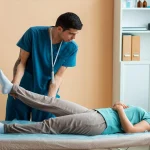
The journey of healing typically begins shortly after you leave the operating theatre. In the initial phase, the primary focus is on managing swelling and protecting the delicate tissues that the surgeon repaired. You will likely perform gentle movements to encourage circulation throughout the limbs. As the weeks progress, the intensity of these movements increases to help the body regain its natural flexibility. This phased approach ensures that you do not put excessive strain on your body before it is ready to handle the load. Proper pacing is the key to preventing setbacks that could prolong your time away from work or hobbies.
Rebuilding Strength and Stability
Once the initial inflammatory phase subsides, the focus shifts toward strengthening the muscles surrounding the affected area. Surgery often leads to muscle atrophy because the body naturally avoids using painful or injured parts. A dedicated programme of post-surgical physiotherapy targets these weakened muscle groups to restore balance and stability. By performing specific resistance exercises, you can ensure that your joints are well-supported, which significantly reduces the likelihood of future injuries or chronic discomfort in the same region. This stage requires patience, as muscle growth takes time and consistent effort to achieve visible results.
Improving Functional Mobility
The ultimate goal of any rehabilitation plan is to return to your daily activities with confidence. This might involve simple tasks like climbing stairs, carrying groceries, or returning to a favourite hobby like gardening or swimming. Your therapist will design exercises that mimic these real-world movements to bridge the gap between clinical recovery and everyday life. By focusing on functional mobility, you ensure that your body remains adaptable and resilient, allowing you to move through the world without the fear of re-injury or persistent physical limitations. Practising these movements in a safe environment builds the neurological pathways needed for fluid motion.
Managing Pain Without Excessive Medication
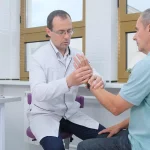
While medication is often necessary after surgery, post-surgical physiotherapy or physical therapy provides a non-invasive way to manage lingering discomfort. Manual therapy techniques and specific stretching routines help to desensitise the nervous system and improve blood flow to the healing tissues. This natural approach to pain management empowers patients to take an active role in their recovery process. Over time, as your body becomes stronger and more flexible, the reliance on pain relief medication typically diminishes, leading to a much higher quality of life during the later stages of healing. Understanding how your body signals pain allows you to manage your activity levels more effectively.
Conclusion
Committing to a professional rehabilitation plan is the most effective way to ensure a successful outcome after any surgical intervention. Whether you are recovering from a joint replacement or a minor repair, the guidance of an expert helps you navigate the complexities of the healing process. Following a structured routine of post-op physiotherapy ensures that you regain your strength safely and efficiently. By prioritising your physical health today, you pave the way for a more active and pain-free future. Consistent effort during this period defines how well you will move in the years to come.
Contact The Movement Laboratory to start your recovery journey today.