

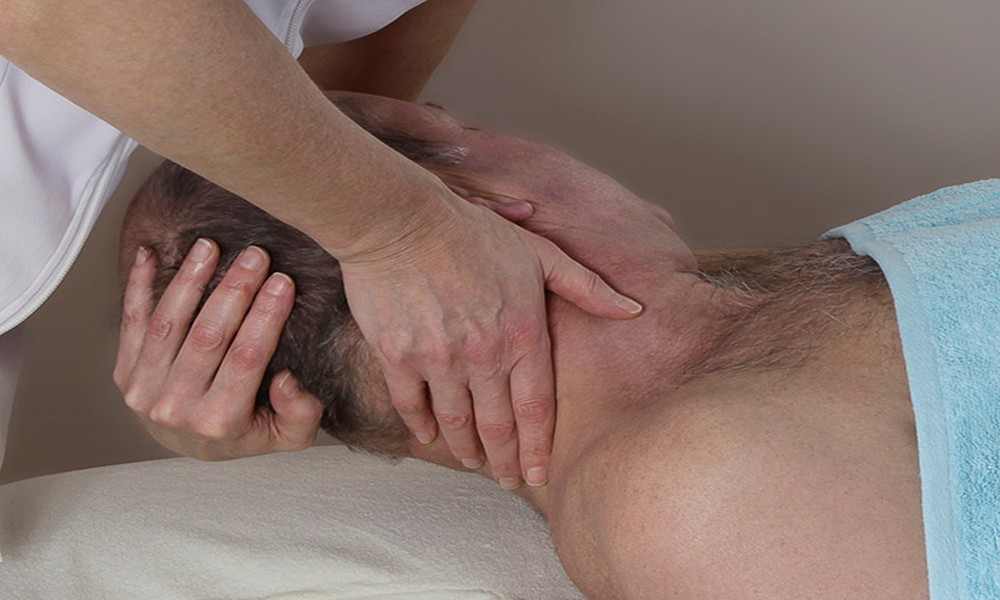
You have already tried the standard advice. The phone is across the room. The bedroom is dark and cool. Caffeine got cut off at noon. You have done the breathing exercises, the magnesium, the melatonin, the lavender on the pillowcase. Some of it helped a little. Most of it helped briefly. The pattern keeps returning. You fall asleep and wake at two. Or you cannot fall asleep at all. Or you sleep through the night and still wake up feeling like you did not. Patients walk into Atlas Chiropractic of Fort Wayne with that exact history more often than people might expect. They are not looking for another supplement. They are looking for a different angle on the question.
When Sleep Hygiene Stops Being the Answer
Sleep hygiene is real, and it matters. The trouble is that hygiene addresses the inputs into the system. It does not address the system itself. When a person has done the work on inputs and the sleep is still broken, the next reasonable question is what is happening inside the regulation of sleep, not around it.
The nervous system runs sleep. The transition from awake to drowsy to light sleep to deep sleep to REM is orchestrated by structures in the brainstem and the hypothalamus, with the autonomic nervous system shifting the body from a sympathetic state, which keeps you alert, to a parasympathetic state, which lets you rest. When that shift happens cleanly, you fall asleep without effort. When it does not, you can lie in a dark, quiet room for two hours and feel as wired as you did at dinner.
The Brainstem Sits Right Behind the Atlas
The atlas, the topmost vertebra in your spine, sits a few millimeters from the brainstem. The autonomic centers that regulate the shift between sympathetic and parasympathetic activity live in this region. The vagus nerve, which is the body’s primary parasympathetic conduit, exits the skull just above. The cervical sympathetic chain runs through the upper neck on the way to the head and the heart.
When the atlas is in position, the structures around it move freely and the signals running through them travel without distortion. When the atlas has shifted, often after an old whiplash, a fall, a sports injury, or a concussion that was never thought to matter, the surrounding tissues compensate. Muscles tighten. Joints bind. The nervous system tends to read the compensation as low-grade threat, and a body in low-grade threat does not let go into sleep.
Why the Connection Often Gets Missed
Sleep doctors are looking at sleep architecture, breathing during the night, leg movements, hormones, and circadian timing. Primary care is looking at stress, anxiety, depression, and medication side effects. Both pathways do useful work. Neither pathway examines the position of the first cervical vertebra, and neither would catch a misalignment if it did, because the imaging studies they order are not designed to evaluate the angle of the atlas with the precision the question requires.
The result is patients who have been through a sleep study, ruled out apnea, ruled out periodic limb movement disorder, started on a low dose of trazodone or hydroxyzine, and still wake at two in the morning. The diagnostic pathway answered the questions it was built to answer. The question of whether structural tension at the top of the neck is keeping the autonomic nervous system from settling has not been asked.
What Patients Often Report After Atlas Correction
Responses vary, and an honest practitioner does not promise a specific outcome. The patterns that emerge in practice include falling asleep faster, fewer middle of the night awakenings, and a sense of waking up more refreshed even when the total hours are similar. Some patients notice the change within the first week of care. Others see it more gradually as the soft tissues around the upper neck release patterns they have been holding for years. A few notice an unexpected change first. They feel less reactive during the day. The heart does not race at small frustrations. The shoulders drop. Sleep then follows the daytime shift, because a calmer autonomic baseline at noon usually translates into easier sleep at night.
Working with your sleep physician, primary care doctor, or therapist while pursuing upper cervical care is the right approach. NUCCA correction is not a replacement for treatment of sleep apnea, restless legs, or a primary mood disorder. It addresses a different piece of the picture, and it often complements the work the rest of your care team is already doing.
What an Atlas Chiropractic Evaluation Looks At
A NUCCA evaluation at Atlas Chiropractic begins with a posture exam. Dr. Emily Staples measures the level of the shoulders, the position of the head on the neck, and the rotation of the hips. A leg length check follows. The legs should be even when a patient lies supine, and a consistent difference is one of the indicators that the atlas has shifted and the body is compensating.
Imaging shows the exact angle of the atlas relative to the skull. The correction is calculated from the measurements rather than estimated. The adjustment itself is gentle. There is no twisting, cracking, or popping. A patient often does not feel it happens at all. Post-adjustment imaging and posture checks verify that the correction did what it was supposed to do, which is one of the features that separates NUCCA from many other chiropractic techniques.
When to Consider an Evaluation
A few patterns suggest that an upper cervical consultation is worth the time. Persistent sleep difficulty after good sleep hygiene has been in place for months. Difficulty quieting the mind at bedtime despite low daytime stress. A history of head or neck trauma, even minor or long past. Other symptoms that travel with the sleep difficulty, such as headaches, neck stiffness, jaw tension, tinnitus, or daytime anxiety, all of which can share an upper cervical mechanism. Waking up with a stiff neck or a tight jaw more days than not, which suggests the body is not settling into a relaxed posture during the night.
A Different Place to Look
Persistent sleep trouble is exhausting in a literal sense. The standard recommendations help many people, and for many they help enough. For those whose sleep has not responded to the usual advice, the position of the atlas is worth considering. A complimentary consultation at Atlas Chiropractic includes the postural exam, leg length check, and imaging review needed to determine whether upper cervical misalignment is part of what is keeping your nervous system from settling at night. If it is, correction can give the rest of your sleep routine the foundation it has been missing. Schedule a visit with Dr. Emily Staples in Fort Wayne to find out.
